Follow eufisica

Follow eufisica

Showing posts with label Pluto. Show all posts

Monday, December 14, 2015

Pluto's photos

New Horizons took great photos from Pluto:
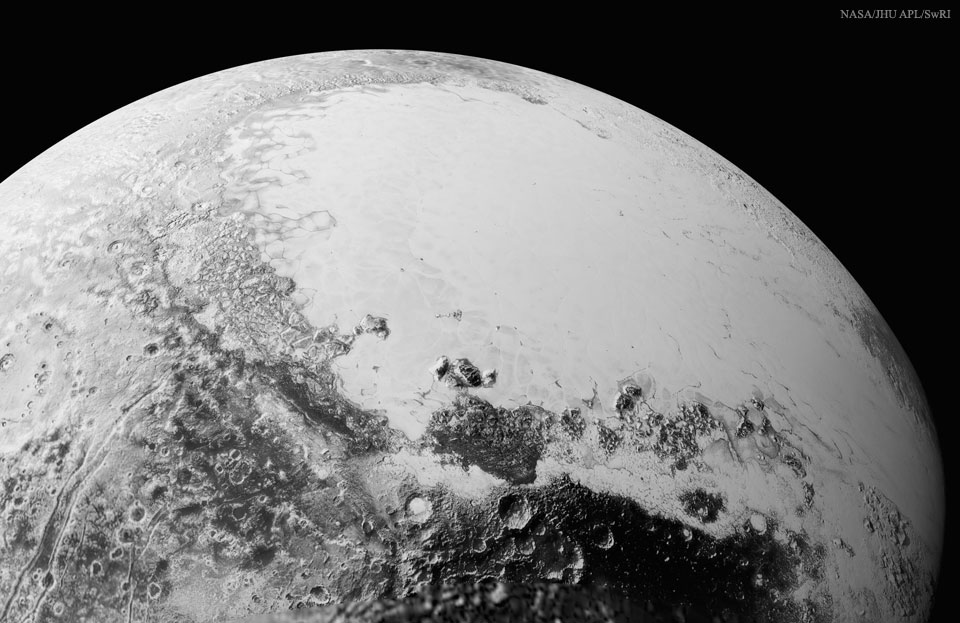
Pluto: From Mountains to Plains 
Image Credit: NASA, Johns Hopkins U. APL, SwRI
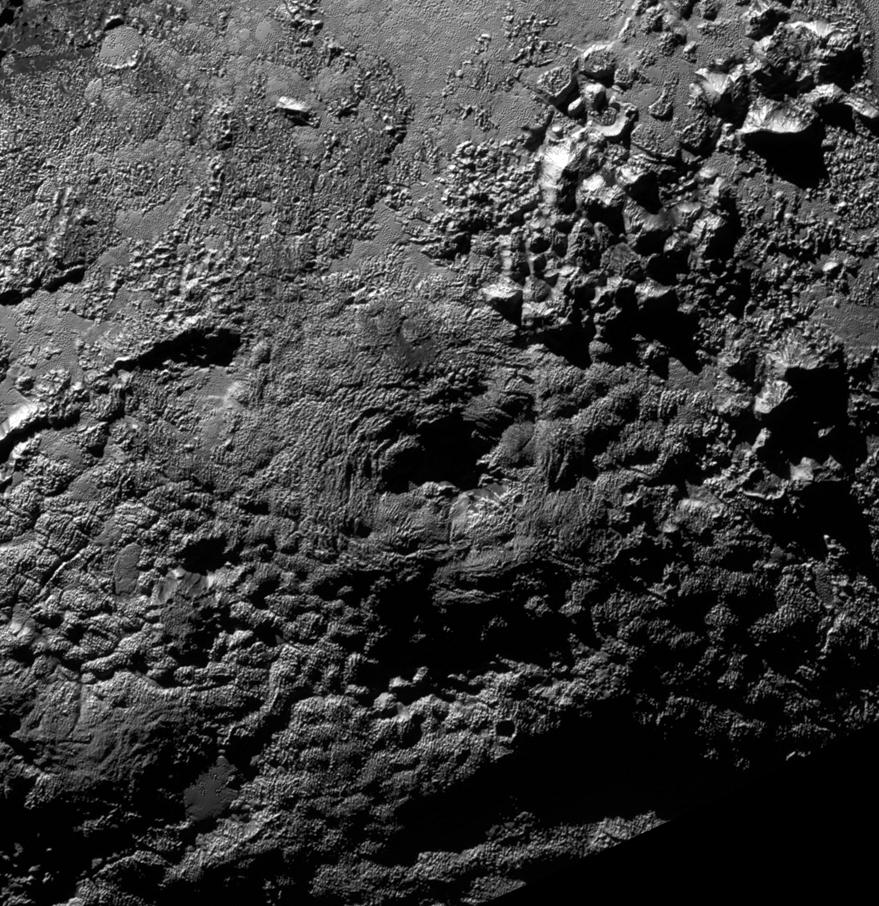
Wright Mons on Pluto 
Image Credit: NASA, Johns Hopkins Univ./APL, Southwest Research Institute
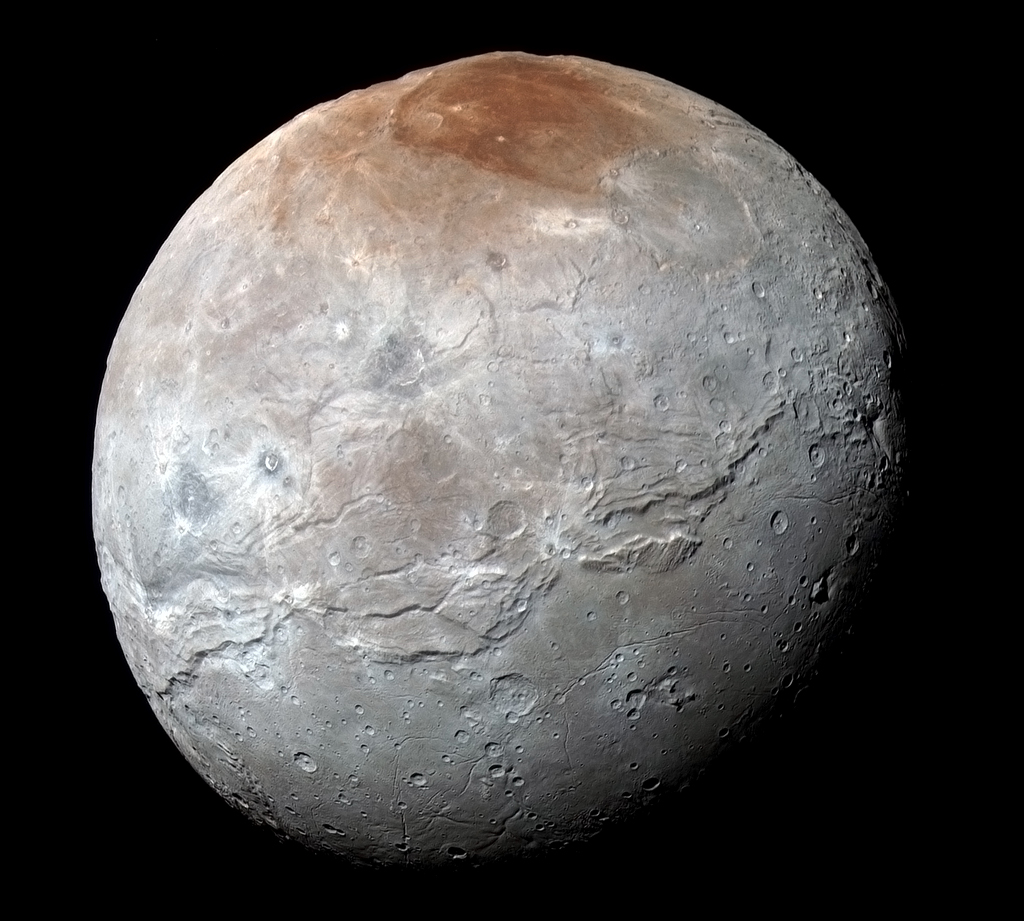
Charon: Moon of Pluto 
Image Credit: NASA, Johns Hopkins Univ./APL, Southwest Research Institute
Pluto's Snakeskin Terrain 
Image Credit: NASA, Johns Hopkins Univ./APL, Southwest Research Institute
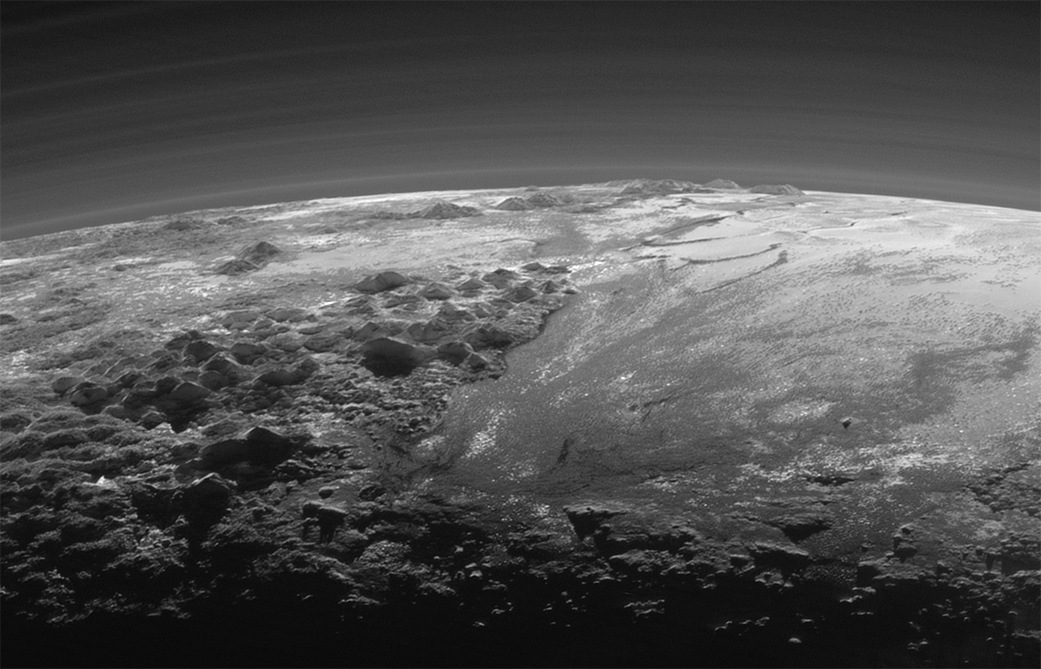
A Plutonian Landscape 
Image Credit: NASA, Johns Hopkins Univ./APL, Southwest Research Institute
Pluto from above Cthulhu Regio 
Image Credit: NASA, Johns Hopkins Univ./APL, Southwest Research Inst.
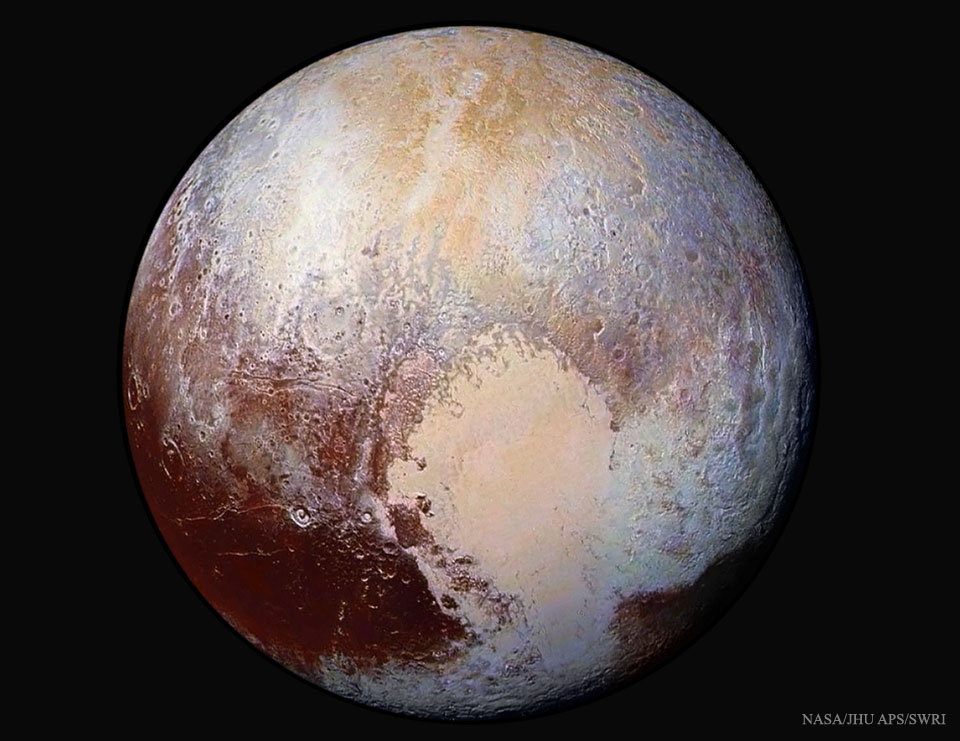
Pluto in Enhanced Color 
Image Credit: NASA, Johns Hopkins Univ./APL, Southwest Research Inst.


Wednesday, January 25, 2012

Why Pluto is not a planet

Pluto, formal designation 134340 Pluto, is the second-most-massive known dwarf planet in the Solar System (after Eris) and the tenth-most-massive body observed directly orbiting the Sun. Originally classified as the ninth planet from the Sun, Pluto was recategorized as a dwarf planet and plutoid due to the discovery that it is one of several large bodies within the newly charted Kuiper belt.
in Wikipedia


Watch the video:

Sunday, July 24, 2011

Fourth moon discovered around Pluto

Fourth moon discovered around Pluto - space - 20 July 2011 - New Scientist

Pluto and friends (Image: NASA/ESA/M. Showalter/SETI Institute)
"The Hubble Space Telescope spotted the new moon, which has been designated P4 for the time being. Astronomers estimate it is between 13 and 34 kilometres across. "I find it remarkable that Hubble's cameras enabled us to see such a tiny object so clearly from a distance of more than 3 billion miles [5 billion kilometres]," says Mark Showalter of the SETI Institute in Mountain View, California, who led the observing team.
Three other moons of Pluto were already known. Charon, discovered in 1978, is by far the largest at about 1000 kilometres across. Nix and Hydra,discovered in Hubble images in 2005, are tiny by comparison: both are estimated to be between 32 and 113 kilometres in diameter."
read more in: newscientist.com

Featured Post

IBSE about Light Pollution

Here is my presentation that happened in the Discover the Cosmos Conference (Volos, Greece - 2013). The presentation was an Inquiry Base...

Popular Posts