
 |
| Image from: http://www.observatorynano.eu/project/document/2016/ |
The efficiency of solar cells with multijunction concentrators is increasing since 1988. In the image we can see a great development of the Three-junction solar cell.
Now, scientist has designed a new multijunction solar cell, with am efficiency of 51.8 %.
 |
| Credit: Marina S. Leite, et al. ©2013 American Institute of Physics |
(Phys.org)—Scientists have designed a new multijunction solar cell that, in simulations, can achieve an efficiency of 51.8%. This high performance exceeds the current goal of 50% efficiency in multijunction solar cell research as well as the current world record of 43.5% for a 3-junction solar cell.
Read more at: http://phys.org/news/2013-02-multijunction-solar-cell-efficiency-goal.html#jCp


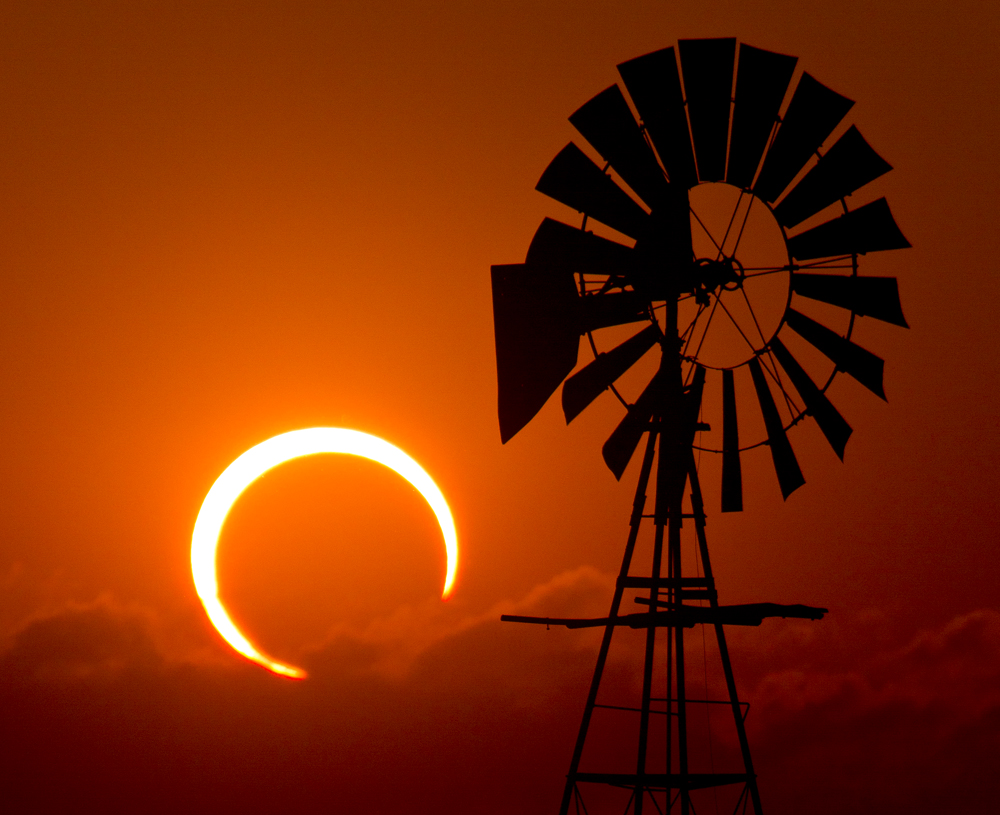


 A total solar eclipse arced across the southern Pacific Ocean Sunday, blotting out the sun and offering stunning views to skywatchers, some of whom ventured to remote islands or rode cruise ships just to see the event. in
 ![300px-Geometry_of_a_Total_Solar_Eclipse.svg[1]](https://blogger.googleusercontent.com/img/b/R29vZ2xl/AVvXsEh97pEws5wAXokXTeKGnGwoWPPC23L0s1BJwWiUWlNmsuqx6ob0FQCtfcCBEhzecNLxQy9AfQln29IH_x4YtyNyA08mZo8MIWF-cf9APjtLWI4xqprOPBHajVOQvBxnzP_Fop63k7-jIz_T/?imgmax=800 "300px-Geometry_of_a_Total_Solar_Eclipse.svg[1]")


